
By Payman Shilian | The Shilian Group
The Westwood vs Brentwood question is one I hear from Westside buyers every week. Both are great neighborhoods on paper. They serve very different lifestyles in practice. After 14 years working both markets, I have watched the same buyer profile land in one or the other based on a small handful of deciding factors. This is the Westwood vs Brentwood comparison I walk every undecided client through.
Why Buyers Run the Westwood vs Brentwood Comparison
Most buyers running the Westwood vs Brentwood decision have already narrowed their search to the Westside and are working within a defined budget. Typically $2 million to $6 million or more for single-family homes and $1 million to $4 million or more for condos. At first glance, the two neighborhoods feel similar. In reality, they serve different lifestyles and buyer profiles. There is not a universally “better” option. The Westwood vs Brentwood right answer depends on how you live day-to-day, where you spend your time, and what you prioritize long term.
Geography and Structure
Westwood is more compact and centered around UCLA and the 90024 core, extending roughly from Pico Boulevard to Sunset Boulevard, with the 405 to the west. UCLA serves as a major anchor, Westwood Village functions as a walkable hub, and the Wilshire Corridor forms a dense residential spine running through the neighborhood. The result is a neighborhood that feels more mixed-use and walkable in certain pockets.
Brentwood covers a larger footprint, generally stretching from Wilshire Boulevard toward Sunset Boulevard, with residential pockets extending toward the Palisades. The area is primarily single-family residential, with limited commercial activity concentrated along the San Vicente corridor. There is more separation between residential and retail, which gives Brentwood a more spread-out, privacy-oriented feel compared to Westwood’s compact energy.
Housing Stock Comparison
Westwood is one of the few Westside neighborhoods with true housing diversity. The Wilshire Corridor offers luxury high-rise condos ranging from roughly $1 million to $10 million and above. One of the largest concentrations of luxury high-rises in all of Los Angeles. Single-family homes in Little Holmby, Comstock Hills, and Westwood Hills range from approximately $2.5 million to $15 million or more, and entry-level condos and townhomes are available throughout the neighborhood. This range makes Westwood accessible to a wider variety of buyer profiles than most Westside neighborhoods.
Brentwood is predominantly single-family. Lower Brentwood homes generally fall in the $2.5 million to $5 million range, while Brentwood Park and the areas north of Sunset command $10 million to $50 million or more. There is a condo market in Brentwood, but it is smaller in scale and has no equivalent to the Wilshire Corridor. If you want a luxury condo, Westwood dominates. If you want a private single-family home with more inventory to choose from, Brentwood has the deeper selection.
Price Comparison
Both neighborhoods are top-tier Westside markets, and pricing often overlaps, especially in the $3 million to $5 million range. In Westwood, single-family homes in 2026 are running approximately $1,100 to $2,200 or more per square foot, while condos range from roughly $600 to $2,500 or more per square foot. In Brentwood, single-family homes tend to run approximately $1,400 to $2,800 or more per square foot.
Brentwood Park often commands the highest pricing on the Westside, but Little Holmby and the newer Wilshire Corridor buildings compete closely. Mid-tier homes in both neighborhoods overlap significantly. The real difference is less about price and more about what you get for that price. The housing type, lot size, and surrounding environment that your budget delivers in each neighborhood.
Commute and Daily Life
This is where the decision becomes clear for most buyers. Westwood offers walkable access to Westwood Village for restaurants, coffee, and services. UCLA provides cultural events, medical access, and daily activity. The neighborhood is closer to Century City, Beverly Hills, and central Los Angeles, and it will benefit from the future Metro D Line (Purple Line extension).
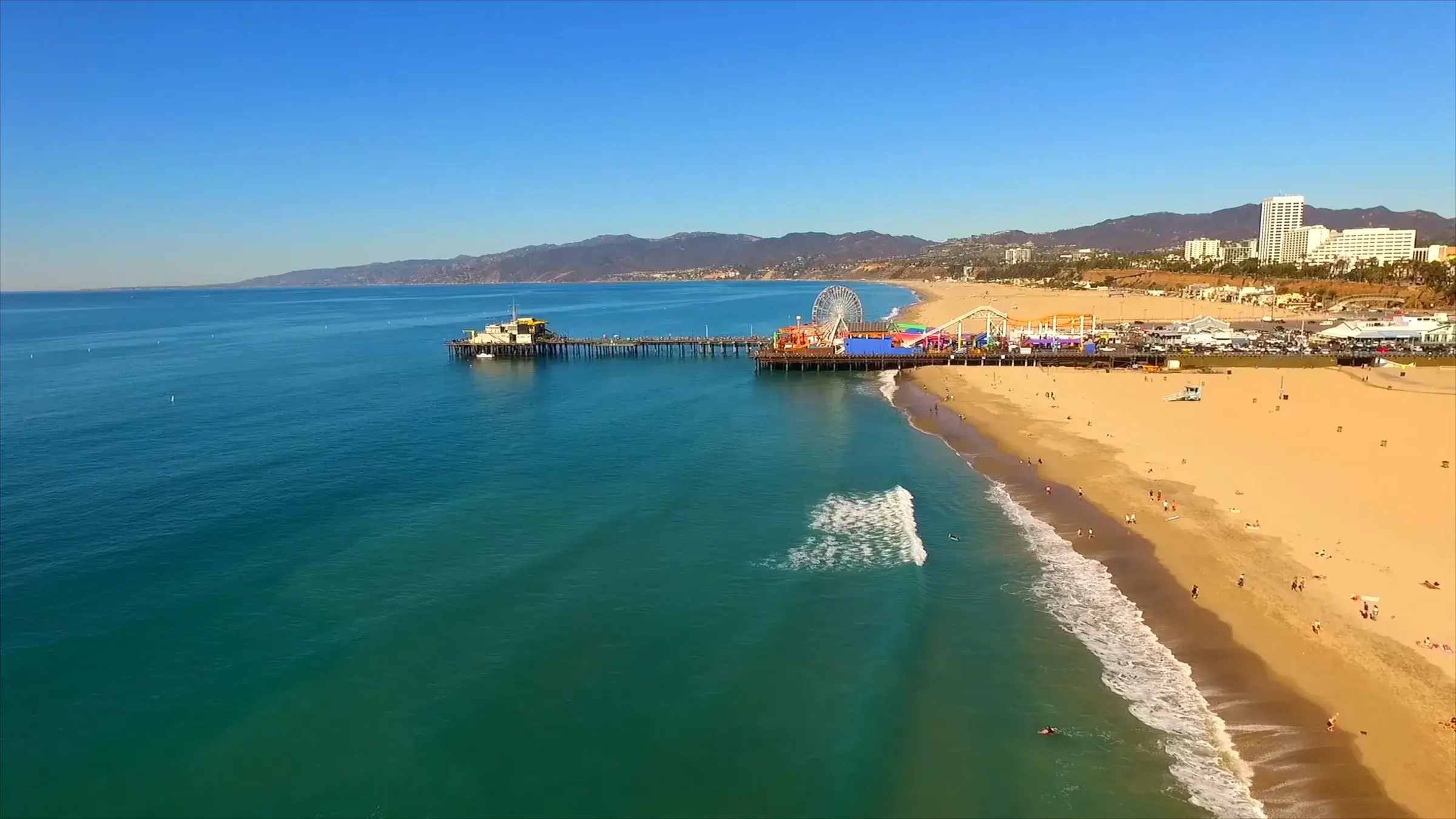
Brentwood is more car-dependent but has strong local hubs along San Vicente and at the Brentwood Country Mart. It sits closer to Santa Monica, Pacific Palisades, and the beach, with easier access to Pacific Coast Highway. If you work near Century City or Beverly Hills, Westwood wins on commute. If you work near Santa Monica or spend your weekends at the beach, Brentwood wins.
Schools
Both neighborhoods offer strong public and private school options, but they differ in structure. In Westwood, public elementary zones include Fairburn Avenue, Westwood Charter, and Warner Avenue. The neighborhood is also home to Geffen Academy at UCLA. In Brentwood, the primary public option is Brentwood Science Magnet, which is application-based, and strong private schools nearby include Brentwood School, Archer School, and Crossroads in Santa Monica.
The difference is structure, not necessarily quality. Westwood provides more attendance-based access to public schools, while Brentwood leans more heavily on application-based and private school options. Both routes produce strong educational outcomes, and the choice often comes down to which system better fits your family’s preferences.
Lifestyle and Community Feel
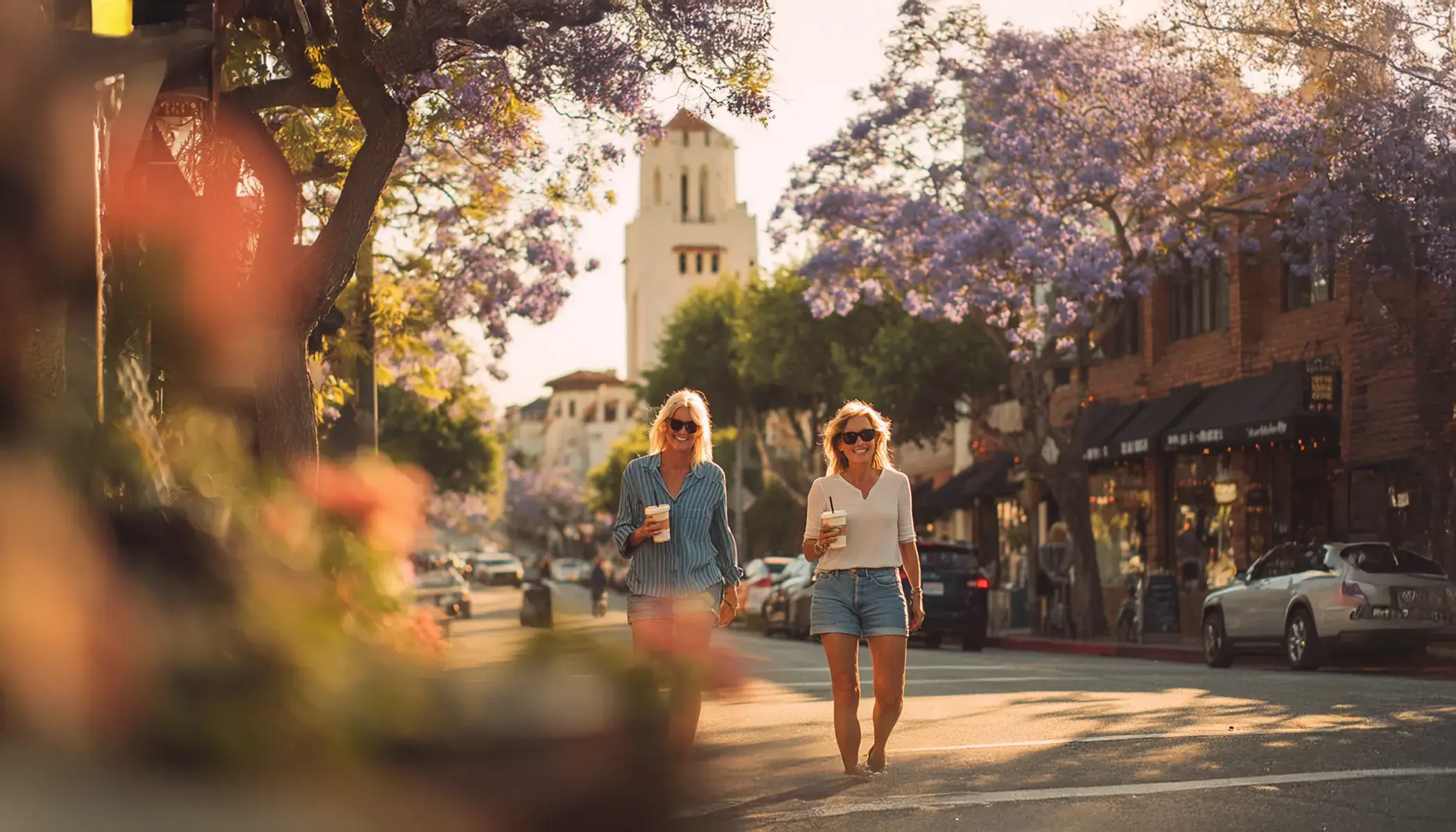
This is the most important, and most overlooked, difference between the two neighborhoods. Westwood carries a strong UCLA influence that makes the area feel more international, more academic, and more dynamic. Certain parts of the neighborhood are higher density, with more walkable pockets and an energy that comes from being adjacent to a major university.
Brentwood has a more traditional residential feel. There is more privacy, more space between homes, and a stronger sense of established, longer-term households. The character is more suburban, and the pace is quieter. Neither is objectively better. It depends entirely on whether you draw energy from activity and proximity or from space and seclusion.
Who Should Choose Westwood
Westwood tends to fit buyers who work at UCLA or UCLA Health, want a luxury condo lifestyle, value walkability, prefer a more urban and connected environment, are downsizing but want to stay central, or value proximity to cultural and academic institutions. The neighborhood rewards people who want to be in the middle of things without leaving the Westside.
Who Should Choose Brentwood
Brentwood tends to fit buyers who want a larger single-family home with privacy, prefer a quieter and more residential environment, spend time near the beach or the Palisades, value space over density, or are focused on long-term single-family living. It works best for buyers who want the Westside address with a more traditional neighborhood feel.
How to Decide the Westwood vs Brentwood Question
A lot of buyers seriously consider both neighborhoods, and that is completely normal. Here is what actually helps you decide. First, drive both neighborhoods during your real commute. Traffic patterns are different and matter more than most buyers expect. Second, spend time in each area on foot. Walk Westwood Village and San Vicente in Brentwood, both on weekdays and weekends. The feel is completely different, and that difference becomes obvious in person.
The bottom line is this: pricing overlaps more than most buyers expect, and both are top-tier Westside neighborhoods. The decision is primarily about lifestyle and daily rhythm. For most buyers, the right choice becomes clear after seeing a few homes in each area.
Frequently Asked Questions About Westwood vs Brentwood
Is Westwood or Brentwood more expensive? They overlap significantly. Brentwood Park commands higher prices at the top of the market, but Westwood’s top-tier homes and luxury condos compete closely.
Which neighborhood is quieter? Brentwood, overall. Westwood has more activity due to UCLA and higher density near Wilshire and the Village.
Which has more luxury condos? Westwood, by a wide margin, thanks to the Wilshire Corridor.
Which is closer to LAX? Brentwood is slightly closer geographically, but real travel time depends heavily on traffic patterns and time of day.
This article is for informational purposes only and does not constitute legal, financial, or fair housing advice. Neighborhood characteristics are based on market observations and may vary by specific location and property. For official neighborhood data, consult local planning resources and licensed professionals.
Still deciding between the two?
The answer usually comes down to commute, school assignment, and whether you want a walkable village or a quieter grid. Those trade-offs are far easier to judge in person than on paper.
About the Author
Payman Shilian
Compass Real Estate Agent · Wilshire Corridor & Westwood Specialist · CA DRE 01913874
Payman Shilian has worked the Wilshire Corridor and Westwood markets for 14 years, closing 203 local transactions totaling over $210 million in career sales. Building-by-building expertise across The Carlyle, The Remington, The Wilshire, Beverly West, and the 40+ buildings of the Millionaires’ Mile. Persian and Farsi speaking. Doctorate of Pharmacy from UC San Diego. Designated Realtor for the City of Beverly Hills. Member, National Association of Realtors and California Association of Realtors. Philanthropic involvement with Children’s Hospital of Los Angeles.
Reach Payman directly: (310) 299-7655 · pshilian@compass.com · paymanshilian.com
Explore: Wilshire Corridor · Westwood 90024 · Downsizing Playbook · About Payman